
Malaysia does not need everyone to become a marathon runner. Perhaps, as a first step, we simply need more Malaysians to walk — and to walk a little faster.

The latest National Health and Morbidity Survey (NHMS) data give us a strong reason to move. In 2024, 30.5% of Malaysian adults were overweight and 23.1% were obese. Taken together, more than half of Malaysian adults were living with excess body weight. NHMS 2023 also reported that one in three adults was physically inactive. At the same time, 15.6% of adults had diabetes, 29.2% had hypertension and 33.3% had hypercholesterolaemia.[1,2]
These conditions are influenced by many factors, including diet, genetics, age, sleep, smoking, stress and access to healthcare. Physical inactivity is only one part of the problem — but it is one that many of us can begin changing today.
One of the simplest ways to start is brisk walking.
WHAT COUNTS AS A BRISK WALK?
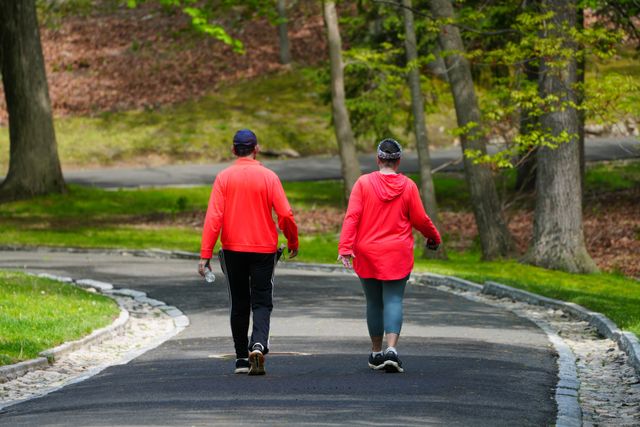
Brisk walking is not the same as slowly strolling from one shop to another. It involves walking at an intensity that makes the heart beat faster and breathing more noticeable, while still allowing a person to talk.
A simple guide is the “talk test”: during moderate-intensity activity, you should generally be able to talk, but singing comfortably should be difficult. The Malaysian Dietary Guidelines describe walking as a form of active transportation and physical activity, and recommend 150 to 300 minutes of moderate-intensity aerobic activity per week for adults.[3]
For many people, this translates into a practical target of about 30 minutes of brisk walking on five days each week.
For someone who has been inactive for a long time, even 30 minutes may initially feel difficult. Starting with 10 minutes and gradually increasing the duration is still worthwhile. The important thing is consistency, not perfection.
WHY WALKING MATTERS FOR THE HEART
Regular physical activity improves cardiorespiratory fitness and reduces cardiovascular risk. It can also help control blood pressure.
This matters in Malaysia because nearly three in 10 adults have hypertension.[2] As raised blood pressure may cause no symptoms, hypertension can progress silently until complications develop.
Brisk walking cannot replace prescribed antihypertensive medication. However, it can form part of a broader lifestyle strategy that includes healthier eating, weight management, adequate sleep and medical follow-up.
A SIMPLE TOOL AGAINST DIABETES
Malaysia also continues to carry a substantial diabetes burden. NHMS 2023 estimated that 15.6% of adults had diabetes, some of whom were previously unaware that their blood glucose was raised.[2]
Physical activity helps muscles use glucose and can improve insulin sensitivity. Malaysia’s Clinical Practice Guidelines for Type 2 Diabetes Mellitus state that increased physical activity can improve glycaemic control, assist with weight maintenance and reduce cardiovascular risk. Walking is specifically recognised as an accessible activity in terms of time and cost.[4]
This is one reason brisk walking is so useful from a public health perspective: it requires no gym membership and very little equipment.
CAN BRISK WALKING HELP WITH WEIGHT?
Yes, but it should not be oversold.
Walking increases energy expenditure and can support weight management, particularly when combined with healthier food choices. However, walking should not be used as an excuse to ignore diet.
NHMS 2024 reported that 53.6% of Malaysian adults were either overweight or obese, while abdominal obesity affected 52.1%.[1] These figures reflect a broader environment in which sedentary behaviour, energy-dense food, large portions and sugary drinks can easily become part of everyday life.
The practical message is therefore not “walk so you can eat anything”. It is “move more and eat better”.
THE BENEFITS ARE NOT ONLY PHYSICAL
Walking can also support mental wellbeing.
For many working adults, the day is dominated by screens, meetings, traffic, messages and long periods of sitting. A brisk walk can provide a brief break from that pattern while contributing to daily physical activity.
Regular physical activity is associated with a lower risk of depression and better overall wellbeing.[3] For some people, a short walk can provide a mental reset that may be just as valuable as the number of steps recorded on a smartwatch.
MALAYSIAN WORKPLACES CAN HELP
If Malaysia wants a more active population, physical activity should not be treated solely as something people must fit in after work.
Workplaces can make movement easier. Taking a short brisk walk during lunch, using the stairs when appropriate, walking to speak to a colleague instead of sending another message, or parking slightly further away can all increase daily activity.
Universities, government agencies and private organisations can also create walking routes, encourage active breaks and organise inclusive walking programmes. The aim should not be to create another competition for employees who are already active. The aim should be to make movement normal.
WHAT ABOUT HEAT, RAIN AND HAZE?
Malaysia’s climate means that advice to “just walk outside” needs to be practical.
Early morning or late afternoon may be more comfortable than midday. Covered walkways, shopping centres and indoor facilities can provide alternatives during heavy rain or intense heat.
During periods of unhealthy air quality, outdoor activity may need to be reduced or moved indoors in line with health advice. Physical activity should improve health, not expose people to unnecessary environmental risk.
START SAFELY
People who have been inactive should begin gradually and increase the duration or intensity as their fitness improves.
Older adults and people with chronic medical conditions can also benefit from physical activity, but the activity may need to be adapted to each person’s abilities. Anyone who develops chest pain, fainting, severe shortness of breath or other concerning symptoms during exercise should stop and seek medical attention.
People with significant medical conditions who are unsure about starting an exercise programme should discuss an appropriate level of activity with a healthcare professional.
A SMALL HABIT WITH A BIG PUBLIC HEALTH MESSAGE
Brisk walking will not solve Malaysia’s non-communicable disease burden by itself.
It cannot replace a healthy diet. It cannot replace medication when medication is needed. It cannot remove every genetic, social or economic risk factor.
However, it is simple, inexpensive and accessible to a large part of the population.
When more than half of Malaysian adults are overweight or obese, one in three adults is physically inactive, and diabetes and hypertension remain common, public health advice does not always need to be complicated.
For many Malaysians, a realistic first step could be:
Walk for 30 minutes. Walk briskly. Aim for five days per week.
If 30 minutes feels impossible today, start with 10.
The most important walk may be the one we actually begin.
REFERENCES
[1] Institute for Public Health, Ministry of Health Malaysia. National Health and Morbidity Survey 2024: Nutrition – Fact Sheet / Key Findings.
[2] Institute for Public Health, Ministry of Health Malaysia. National Health and Morbidity Survey 2023: Non-Communicable Diseases and Healthcare Demand – Fact Sheet.
[3] Ministry of Health Malaysia. Malaysian Dietary Guidelines 2020. Physical activity and sleep recommendations for adults.
[4] Ministry of Health Malaysia. Clinical Practice Guidelines: Management of Type 2 Diabetes Mellitus, 6th Edition. Section 3.5.2 Physical Activity.
Intan Nureleiza Fadhlina Kamaruddin holds a Master of Science in Environmental Technology and is a lecturer in Industrial Hygiene and Safety Technology at Universiti Teknologi MARA (UiTM) Cawangan Terengganu, Kampus Bukit Besi.