
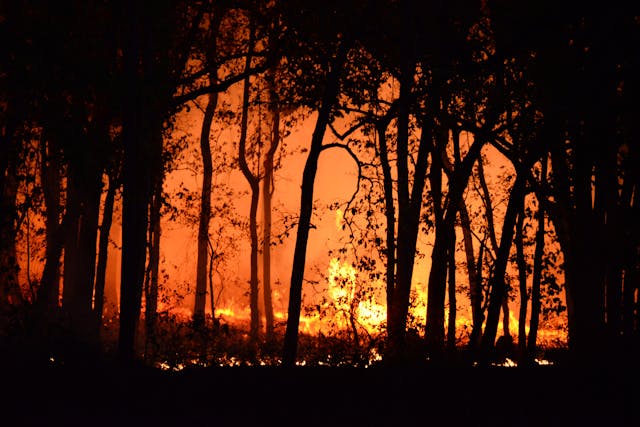
Haze is a recurring environmental concern in Malaysia. On 19 July 2025, local media reported a transboundary haze episode affecting the Western Coastal States of Peninsular Malaysia. This event was associated with 79 hotspots in Sumatra, with the resulting haze carried into Malaysia by prevailing winds during the southwest monsoon.
The earliest documented occurrence of transboundary haze in Malaysia was in 1982, attributed to large-scale forest fires in Kalimantan. Since then, such occurrences have become frequent, almost on an annual basis. During haze episodes, the population is exposed to a variety of air pollutants, with particular concern for fine particulate matter measuring less than 10 microns (PM10) and 2.5 microns (PM2.5) in diameter, both of which pose significant health risks. In addition, harmful gases such as sulfur dioxide (SO₂), nitrogen dioxide (NO₂), ozone (O₃), and carbon monoxide (CO) are commonly present.
Monitoring Air Quality Through the Air Pollutant Index
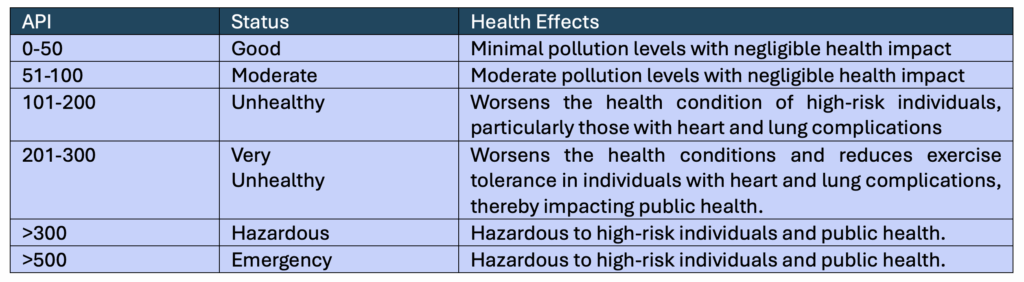
The public can monitor air quality using the Air Pollutant Index (API), which provides a 24-hour average reading of air quality levels. This information is available on the official website of the Department of Environment: https://eqms.doe.gov.my/APIMS/main.
The Vulnerability of At-Risk Populations to Haze Exposure
“While haze exposure poses health risks to the general population, specific groups such as children, the elderly, pregnant women, individuals with pre-existing respiratory conditions, and those who are immunocompromised are particularly susceptible to its adverse effects. Common symptoms experienced during haze episodes include coughing, eye irritation, shortness of breath, fatigue, and chest discomfort.
Why Are Certain Individuals at Higher Risk During Haze Events?
Respiratory System Function
Children breathe more rapidly than adults ranging from 18 to 30 breaths per minute depending on age compared to 12 to 18 in adults which leads to greater inhalation of polluted air. Their developing lungs are more vulnerable to damage from fine particulate matter such as PM10 and PM2.5. This heightened sensitivity supports school closures when the Air Pollution Index (API) exceeds 200.
Similarly, older adults face heightened risks from air pollution due to natural declines in lung function, reduced elasticity, weaker respiratory muscles, and lower lung capacity. Older adults frequently suffer from chronic conditions such as heart disease, asthma, or diabetes, which weaken immune responses and increase the risk of serious outcomes like pneumonia and systemic inflammation.
Moreover, individuals of any age with existing respiratory illnesses, such as asthma or chronic obstructive pulmonary disease (COPD), are particularly at risk during haze events. For them, exposure to poor air quality can worsen symptoms and trigger respiratory distress, often requiring medical attention.
The immune system of children is immature, which increases their susceptibility to conditions such as asthma, allergies, and respiratory infections during haze events. Similarly, immune function in older adults deteriorates with age, reducing their ability to respond effectively to environmental stressors. Exposure to haze can induce systemic inflammation, vascular constriction, prothrombotic states, and increased heart rate. These physiological responses are associated with a higher risk of cardiovascular events, including stroke and heart failure.
In addition, pregnant women also constitute a vulnerable population. Physiological changes during pregnancy, such as increased respiratory rate and altered immune function, can enhance sensitivity to air pollutants. Additionally, research has shown that exposure to air pollution during pregnancy is associated with adverse outcomes, including low birth weight and preterm birth. Therefore, preventive measures to reduce exposure are essential for protecting maternal and fetal health.
Outdoor Activity and Exposure Duration
Children generally engage in frequent physical activity and often spend considerable time outdoors, which increases their exposure to airborne pollutants during haze episodes. Without adequate preventive interventions, prolonged exposure can amplify health risks. It is therefore advisable to limit outdoor activities during haze events and encourage indoor alternatives until air quality improves.
The elderly, pregnant women and individuals with chronic respiratory conditions should also avoid outdoor exposure during haze episodes as much as possible. It is recommended that they take appropriate precautions, including the use of protective face masks and minimizing time spent outdoors, to reduce their risk of adverse health outcomes.
Conclusion
From a public health perspective, children, the elderly, pregnant women, and individuals with pre-existing respiratory illnesses are particularly susceptible to the detrimental effects of haze. This increased susceptibility stems from factors such as physiological immaturity or age-related decline, compromised immune defences, and existing health issues. To protect these high-risk groups during periods of poor air quality, it is essential to implement early preventive measures. These include the use of protective face masks, minimising outdoor exposure, maintaining good indoor air quality, and conducting regular health monitoring.
This article is written by Asst. Prof. Dr. Noor Artika Hassan, Department of Community Medicine, Kulliyyah of Medicine, International Islamic University Malaysia.
References
1) Bekkar, B., Pacheco, S., Basu, R., & DeNicola, N. (2020). Association of air pollution and heat exposure with preterm birth, low birth weight, and stillbirth in the US: a systematic review. JAMA network open, 3(6), e208243-e208243.
2) Giles, L. V., Thomson, C. J., Lesser, I., & Brandenburg, J. P. (2024). Running through the haze: how wildfire smoke affects physical activity and mental well-being. Journal of Physical Activity and Health, 1(aop), 1-11.
3) Latif, M. T., Othman, M., Idris, N., Juneng, L., Abdullah, A. M., Hamzah, W. P., … & Jaafar, A. B. (2018). Impact of regional haze towards air quality in Malaysia: A review. Atmospheric Environment, 177, 28-44.
4) Hashim, M. H., Ibrahim, M. H., Ismail, M. I. M., Isa, N. K. M., Ali, S. S. S., & Omar, M. H. C. (2020). Menyingkap pencemaran partikel terampai (PM10) di Malaysia (Revealing of suspended particle pollution (PM10) in Malaysia).Asian Journal of Environment, History and Heritage, 4(2).
5) Hill, B., & Annesley, S. H. (2020). Monitoring respiratory rate in adults. British journal of nursing, 29(1), 12-16.
6) https://eqms.doe.gov.my/APIMS/main
7) https://www.met.gov.my/assets/content/siaran_media/en/19%20Julai%202025%20-%20Kenyataan%20Media%20Jerebu%20Rentas%20Sempadan.pdf