
Source: www.topnews.in
Introduction and Epidemiology
Practicing in a tropical country, it is impossible not to come across cases of dengue fever. Over the years, we have had countless health campaigns regarding dengue from television advertisements to public roadshows. But dengue fever still seems to be a problem for developing countries like Malaysia. This proves that dengue fever is a big problem not only locally, but internationally as well.
World Health Organization (WHO) estimates over 40% of the global population are at risk from dengue and 50 to 100 million cases are reported yearly. The disease is seen spreading from tropical countries to countries like Portugal, France and Croatia.
In Malaysia, dengue fever cases are on the rise from 6,000 cases in 1995 to over 40,000 in 2010, and this number is rising.
What is dengue fever?
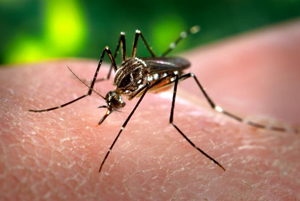
Dengue fever is a vector borne disease, carried by two types of mosquitoes, Aedes aegypti and Aedes albopictus. It is caused by a virus with 4 distinct serotypes, DENV-1 to 4. Each serotype confers lifelong immunity to its infection but sequential infections with other serotypes might cause even more dangerous complications of dengue.
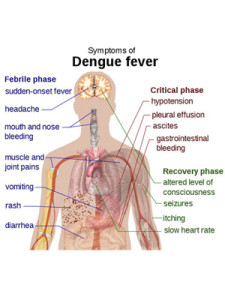
It has an incubation period (time between exposure to the disease and the appearance of symptoms) of 4 to 7 days after getting bitten by the mosquito and usually last 3 to 10 days, barring any complications. The course of the disease is typically divided into 3 phases; the febrile (fever) phase, the critical phase and the recovery phase.
Source: blog.docsuggest.com –
Febrile phase
Fever is the first symptom to appear. This phase typically last 2 to 7 days and patients will experience body and joint aches, headaches (typically characterized by retro-orbital pain/pain behind the eyes), giddiness, nausea (feeling an urge to vomit), vomiting and generalized lethargy (feeling of weariness, tiredness, or lack of energy).
Blood investigations early in the febrile phase might be normal or merely show features of viral illness. Therefore, after taking a careful history, with a high degree of suspicion of dengue, the doctor will usually ask for a repeat of the blood tests to confirm the diagnosis of dengue fever.
There might also be mild bleeding over the mucosa such as gum bleeding and heavier menses in women.
Critical phase
This is the dangerous phase of the infection. It usually starts from the 3rd to 5th day of the illness. In some cases, it might even start as late as the 7th day of illness. This phase lasts about 24 to 48 hours.
In this phase, there is increased capillary permeability, where fluid in the body seeps out from the blood vessels, causing bleeding, accumulation of fluid in organs, like in the lungs, and dehydration.
There are several warning signs that the doctor will look out for to assess the severity of the illness, which are:
- Persistent vomiting
- Lethargy (feeling of weariness, tiredness, or lack of energy)
- Mucosal bleeding (example: gum bleeding, nose bleeding, heavy menses bleeding)
- Persistent abdominal pain
- Tender or painful abdomen on examination
- Evidence of fluid accumulation in lungs
- Changes in blood tests
If the illness is not well treated at this point, the patient could go into shock and die.
Recovery phase
As the name suggest, this is when the body starts to recover. Fluid leaked out from blood vessels is reabsorbed, earlier symptoms gradually disappear and the general wellbeing of the patient improves. The typical dengue rash may appear in the recovery phase.
How to treat?
In the febrile phase, most patients can be treated as outpatients and need not be admitted to the hospital unless there are other complications.
Source: ryannreyes.tumblr.com
Dengue fever is a viral illness and the main treatment is symptomatic. The doctor will assess the patients’ status and if deemed safe to be discharged, most of the time, the treatment is to control the fever using anti-pyretics such as Paracetamol. Patients are encouraged to drink plenty of fluids at this time.
In subsequent visits to the clinic or hospital, repeated blood tests are done to assess and confirm the diagnosis of dengue. Depending on the hydration status and blood tests, the doctor might admit dengue patients for observation.
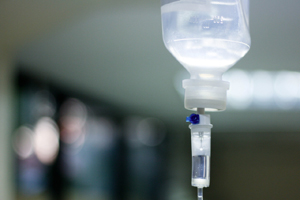
At this time, fluids will be given intravenously to help keep the body hydrated. In severe cases, blood transfusion might be needed. Once the critical phase is over, intravenous fluid will be weaned off and patient will be discharged once he/she is able to take orally well.
Complications of dengue fever
Severe dehydration and fluid leakage is the greatest enemy. This will cause circulatory collapse (failure of the body to maintain adequate blood supply to vital organs and continue normal bodily functions) in the patient and is potentially fatal. The dengue virus is also known to cause hepatitis (swelling and inflammation of the liver). The doctor will monitor your liver function via blood tests. In severe cases of bleeding, blood transfusion will be needed.
Source: niswarthsewa.org
How to prevent dengue?
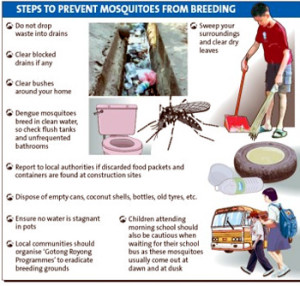
Prevention is better than cure and in dengue fever, this is no exception. It is important to make sure there is no stagnant water surrounding the house to prevent the breeding of the mosquitoes. Some neighbourhoods will have regular mosquito fogging. If you are traveling to remote areas, like jungle trekking, insect repellants can be useful.
Dengue fever is a notifiable disease under the Ministry of Health and confirmed cases will be visited and investigated by health officers. Fogging will also be done at the area of infection.
Conclusion
Both the community and healthcare personnel should be vigilant on detecting and managing dengue cases. Early detection of dengue fever has been proven to save lives.
WHO has very active dengue fever initiatives like the Global Alert and Response Program, which is an integrated global alert and response system for epidemics and other public health emergencies. For more information, please visit http://www.who.int/csr/en/index.html.
At the moment, dengue vaccine is not available yet, but efforts are in place to achieve this in the near future. For more information on the efforts of dengue vaccination, please visit http://www.denguevaccines.org/.
Dr. Khoo Yoong Khean is the Managing Editor of the Malaysian Medical Gazette. He currently works in one of the busiest Emergency Department in Malaysia. Find out more about him at The Team page.
References
- WHO dengue fact sheet http://www.who.int/topics/dengue/en/
- WHO Global Alert and Response program http://www.who.int/csr/en/index.html
- Centre for Disease Control Prevention (CDC) http://www.cdc.gov/dengue/epidemiology/index.html
- Dengue fever clinical practice guidelines, Ministry of Health Malaysia http://www.acadmed.org.my/view_file.cfm?fileid=247
[This article belongs to The Malaysian Medical Gazette. Any republication (online or offline) without written permission from The Malaysian Medical Gazette is prohibited.]
4 comments for “The Danger of Dengue #MsiaEndsDengue – Dr Khoo Yoong Khean”