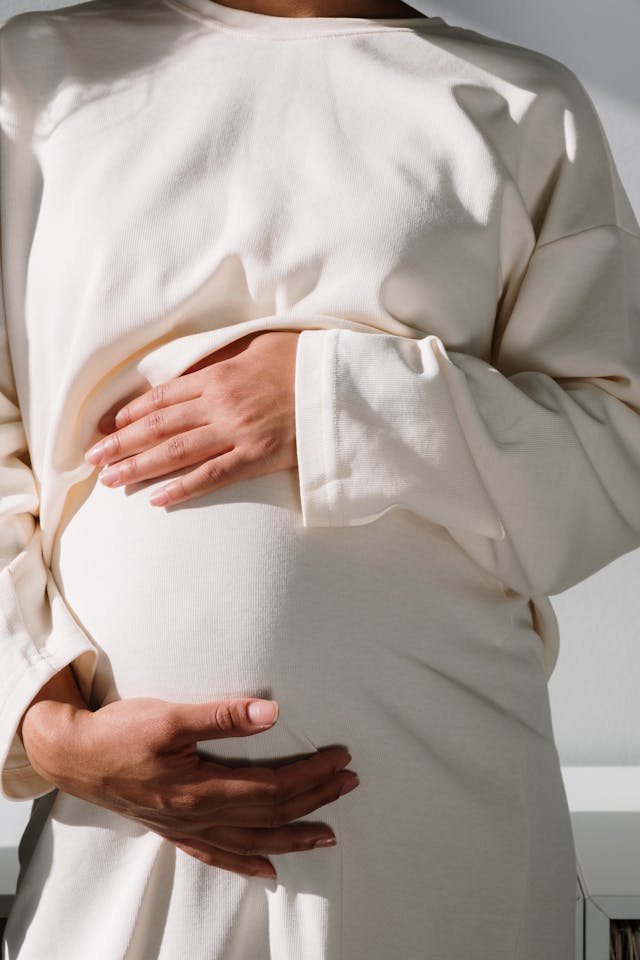
You are pregnant. Instead of the glow and energy that many describe, you feel overwhelming fatigue. Walking a few steps leaves you breathless, and the mirror reflects a face that has grown pale and lifeless. You worry, not only for yourself but for the baby you carry. You try to eat healthily: more eggs, more milk, more protein. Yet, nothing changes. Your blood test reveals the truth: your haemoglobin is low. Your doctor prescribes iron supplements, but every attempt ends the same: waves of nausea, vomiting, and frustration. You feel lost, uncertain how to rebuild the strength you need for yourself and your child. This story is not uncommon; it is the lived reality of millions of pregnant women worldwide, silently battling iron deficiency anaemia (IDA).
The Clinical Burden
IDA remains one of the most pervasive and overlooked threats in obstetric care. Affecting nearly 40% of pregnant women worldwide, IDA silently robs women of their vitality, often presenting insidiously as fatigue, pallor, or reduced exercise tolerance, symptoms frequently mistaken as “normal pregnancy complaints.” Left unchecked, however, the consequences can be devastating, compromising not only maternal well-being but also fetal growth, development, and survival.
Iron is indispensable for haemoglobin synthesis, oxygen transport, and cellular metabolism. During pregnancy, maternal iron requirements nearly triple to accommodate plasma volume expansion, fetal growth, and preparation for blood loss at delivery. IDA ensues when intake and stores fall short, weakening the mother when strength is most needed.
Clinically, IDA is associated with maternal morbidity, including severe fatigue, cardiac strain, and heightened risk of infection. For the fetus, chronic hypoxia may lead to intrauterine growth restriction, preterm delivery, and low birth weight. Beyond delivery, iron deficiency impairs neonatal iron reserves, predisposing the child to developmental delays and cognitive impairment. The World Health Organization recognises IDA in pregnancy as a major contributor to maternal mortality, particularly in resource-limited settings where obstetric haemorrhage and sepsis intersect with anaemia to form a deadly triad.
Iron Supplementation in Pregnancy
Treatment and prevention of IDA rely primarily on iron supplementation, which is available in multiple formulations. Choosing the right preparation is critical to balancing efficacy, bioavailability, and tolerability. Table 1 shows the common oral iron preparations available for pregnant mothers.
Table 1: Common Oral Iron Preparations
| Type of iron | Pros | Cons | Example of Supplement available | Iron content per tablet |
| Ferrous Sulfate | Widely available, inexpensive, effective. | Gastrointestinal (GI) side effects are common (nausea, constipation, epigastric discomfort). It is best taken on an empty stomach, though it may be taken with food to reduce GI upset (at the cost of reduced absorption). | 21st Century Iron | 65 mg |
| Ferrous Fumarate | Higher elemental iron content is effective in raising haemoglobin. | Similar to GI intolerance as ferrous sulfate, constipation is frequent. | Zincofer® | 100mg |
| Obimin® | 30mg | |||
| Ferrous Gluconate | A lower iron dose may be better tolerated, especially for women with prior intolerance. | It requires multiple tablets for adequate replacement and lower elemental iron. | Sangobion | 250mg |
| Ferrous Bisglycinate | Excellent bioavailability, better GI tolerability, and can be taken with food. | More expensive; slower haemoglobin rise than higher-dose ferrous salts. | Duoleaf Iron Plus Capsule | 50mg |
| Ferric Iron Compounds | It is non-ionic, less reactive, and has excellent tolerability. It can be taken with or after meals without significant absorption loss and has a minimal metallic taste. | More costly; absorption is slower than ferrous salts, but adequate for long-term use. | Maltofer® (Iron polymaltose complex) | 100mg |
Dietary Interference with Iron Absorption
Iron absorption is a complex process influenced by the chemical form of iron and the presence of dietary enhancers or inhibitors. There are two main forms of iron: heme iron, found in animal sources such as red meat, poultry, and fish, and non-heme iron, found in plant-based foods and most supplements. Heme iron is absorbed more efficiently and is less affected by dietary factors, while non-heme iron (and supplemental iron salts like ferrous sulfate or fumarate) is highly sensitive to inhibitors.
Coffee, tea, and chocolate are among the most potent inhibitors of non-heme iron absorption. They contain polyphenols (such as tannins) that bind iron in the GI tract, rendering it insoluble and poorly absorbed. Studies have shown that a single cup of tea can reduce iron absorption from a meal by up to 60%, while coffee may reduce it by around 40%. The inhibitory effect is particularly significant for plant-derived non-heme iron and supplemental iron tablets. Heme iron from animal sources is less affected, but some reduction may still occur.
Milk and dairy products interfere with iron absorption because of their high calcium content. Calcium competes with iron for absorption in the duodenum, affecting both heme and non-heme iron. Even modest amounts of milk taken together with iron supplements have been shown to reduce absorption significantly. For this reason, pregnant women are advised to avoid consuming milk, cheese, or yogurt at the same time as their iron tablets.
Egg Yolk contains a phosphoprotein called phosvitin, which strongly binds iron and prevents its uptake in the intestine. This effect primarily impairs non-heme iron absorption, making it especially relevant when iron supplements are taken alongside eggs. While eggs are a valuable source of nutrition in pregnancy, timing their intake separately from iron therapy is essential.
Soy milk and soy products like tofu, while commonly used as a dairy alternative, can also interfere with iron absorption. Unlike cow’s milk, which impairs absorption primarily due to its calcium content, soy contains phytates (phytic acid), natural compounds that bind strongly to non-heme iron in the gut and reduce its availability for absorption.
Thus, to all pregnant mothers, here is some practical advice for combating IDA:
- Take iron on an empty stomach if tolerated, as food can reduce absorption. If nausea is severe, pair it with a small amount of fruit or a light snack.
- Pair iron with vitamin C-rich foods (such as citrus fruits, guava, or tomatoes) to boost absorption.
- Avoid coffee, tea, chocolate, dairy milk, soy milk, tofu, and eggs within 2 hours before and after taking iron.
- If vomiting occurs, discuss switching to a different formulation (liquid, slow-release, or intravenous iron) with your doctor.
- Do not stop supplements prematurely, even if symptoms improve, unless advised by your doctor. Iron stores must be replenished, not just haemoglobin.
- Attend all antenatal check-ups, as monitoring ensures timely treatment adjustment.
Genetic Susceptibility
While dietary intake and physiological changes are central to developing IDA in pregnancy, emerging evidence suggests that genetic polymorphisms (changes in DNA sequence) influence individual susceptibility. Variants in genes involved in iron absorption, transport, storage, and regulation may determine how effectively the maternal body adapts to increased iron demands during gestation. Thus, in some cases, changes in dietary intake may not effectively improve IDA. Table 2 shows the genetic polymorphism that can influence iron absorption and metabolism.
Table 2: Genetic polymorphism that can influence iron absorption and metabolism.
| Gene name | Gene function | Polymorphism effects |
| Hepcidin (HAMP), TMPRSS6 | controls intestinal absorption of iron by regulating ferroportin, the cellular iron exporter. | Variants cause inappropriately high hepcidin levels, impairing dietary iron absorption, predisposing women to refractory anaemia even when supplementation is given. |
| transferrin (TF), transferrin receptor (TFR2) | Facilitate iron transport in the maternal circulation | Variants affect the efficiency of iron transport in the maternal circulation, leading to IDA. |
| divalent metal transporter 1 (SLC11A2) and ferroportin (SLC40A1) | Influence intestinal iron uptake and release into the bloodstream | Variants cause pregnant women to develop severe IDA despite adequate dietary intake and supplementation. |
Conclusion
Effective management requires more than empirical supplementation; it depends on accurate diagnosis and vigilant monitoring. Haemoglobin measurement remains the cornerstone for detecting anaemia, but it alone cannot distinguish iron deficiency from other causes such as haemoglobinopathies or chronic disease. Serum ferritin, the most sensitive marker of iron stores, plays a crucial role in identifying true iron deficiency and guiding treatment choices. Monitoring both haemoglobin and ferritin enables clinicians to tailor therapy, whether preventive supplementation, escalation to higher-dose oral iron, or timely transition to intravenous iron when oral preparations fail.
Regular reassessment is equally essential. A rise in haemoglobin within two to four weeks of therapy signals adequate response, while persistently low levels may indicate poor absorption, intolerance, or underlying genetic predisposition. By combining clinical vigilance with laboratory monitoring, clinicians can ensure that treatment is not only prescribed but also effective.
Ultimately, addressing IDA in pregnancy requires a holistic approach, optimising maternal diet, choosing the right supplement, accounting for genetic susceptibility, and confirming biochemical response. This vigilance ensures that every mother enters labour with the strength she needs and that every baby receives the oxygen-rich foundation for a healthy start in life.
This article is written by Dr Marjanu Hikmah Binti Elias (Lecturer, Biochemistry Unit, Faculty of Medicine and Health Sciences, Universiti Sains Islam Malaysia) and Dr Zulazmi Bin Sutaji (Medical Lecturer, Obstetrics & Gynaecology, Faculty of Medicine and Health Sciences, Universiti Sains Islam Malaysia).