For many children facing physical or developmental challenges, rehabilitation often happens in a clinical setting filled with machines, parallel bars, and exercises that can feel repetitive. But what if therapy could take place under the open sky, with the gentle rhythm of a horse guiding each movement?
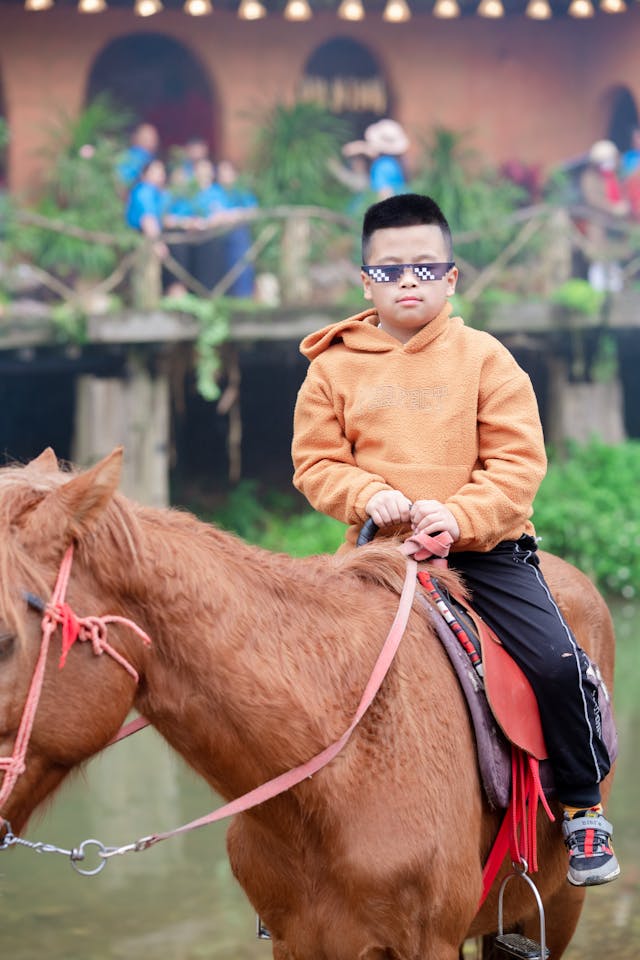
This is the heart of Horseback Riding Therapy (HBRT)—a unique way of bringing rehabilitation back to nature. First introduced in Europe in the 1950s, HBRT has transformed lives worldwide, and today, children in Malaysia are beginning to experience its life-changing benefits too.
The horse’s warmth, rhythm, and natural movement act as a living therapy tool—improving muscle tone, balance, and posture while also calming the mind and uplifting the spirit.
Two Gentle Approaches in Malaysia
Families here have access to two main types of HBRT, both rooted in the healing bond between child and horse:
Instructor-Directed HBRT (Recreational Riding)
- Guided by trained instructors and volunteers.
- Focuses on enjoyment, socialisation, and movement in a safe, natural environment.
- Also known as equine therapy, this method follows international standards (NARHA).
- [Read more here: (https://www.freemalaysiatoday.com/category/top-lifestyle/2023/01/06/riding-for-the-disabled-association-fetes-children-with-festive-cheer)]
Therapist-Directed HBRT (Clinical Hippotherapy)
- Led by licensed healthcare professionals.
- Exercises are personalised to strengthen core muscles, improve posture, and enhance coordination.
- The horse becomes a “living simulator”, teaching the body to move naturally.
- [Read more here: (https://says.com/my/lifestyle/hippotherapy-happy-farms-malaysia-children-with-disabilities)]
Both approaches move therapy away from fluorescent-lit rooms into the outdoors, where children engage with animals, sunshine, and fresh air—elements that nurture both body and soul.
Who Benefits from HBRT?
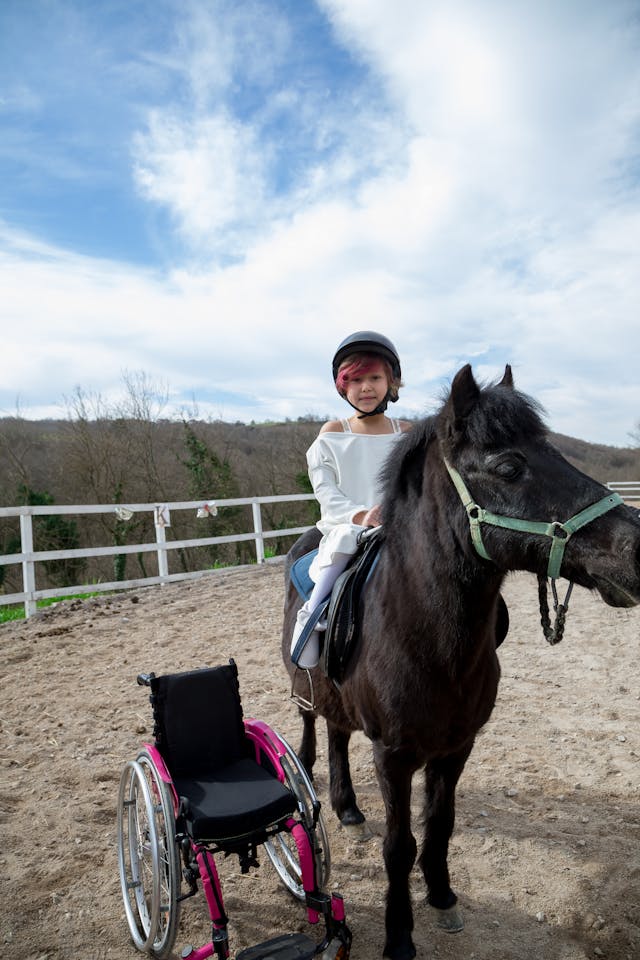
HBRT has brought hope to many children, especially those living with:
- Cerebral Palsy (CP)
- Spinal cord injuries
- Stroke or traumatic brain injuries
- Neuromuscular disorders
- Down Syndrome
- Autism Spectrum Disorders
- ADHD and learning challenges
Every child is carefully assessed for safety, but for those who can participate, HBRT often opens new doors to independence and joy.
The Natural Benefits
Parents often notice that HBRT improves far more than movement—it touches every part of their child’s life.
Physical Strength in Motion: Stronger muscles, better posture, improved gait, and mobility.
Cognitive Growth in Play: Better focus, language skills, and problem-solving abilities.
Emotional Healing in Nature: Greater confidence, reduced frustration, and more positive relationships.
Research confirms what parents see: children with cerebral palsy, for example, show improved hip control, stronger walking skills, and even better coordination after HBRT.
But beyond the science, there is something deeply human about watching a child smile as they ride—a reminder that therapy can feel like freedom.
The Road Ahead
Like all therapies, HBRT is not without its questions. More studies are needed to understand the long-term impact. Yet what is clear is that this therapy brings something medicine often struggles to provide: healing that feels natural, joyful, and holistic.
Conclusion
Horseback riding therapy is more than a treatment—it is a return to the roots of healing. It allows children to learn and grow not only through medical exercises, but also through connection with animals, the outdoors, and the simple rhythm of nature.
For many children, recovery no longer needs to feel confined within hospital walls. The future of rehabilitation is outdoors—in nature, and back to nature—where children breathe fresh air, find confidence on horseback, and rediscover their strength in the most natural of ways.
Dr Nurul Firdausi is a Rehabilitation Physician at the Universiti Malaya Medical Centre and a Medical Lecturer in the Faculty of Medicine, Universiti Malaya. Her special interest is in Paediatric Rehabilitation.
Dr Adilah is a Pediatrician at Hospital Ampang and a Medical Lecturer in Universiti Sains Islam Malaysia. Her special interest is in Pediatric Emergency Medicine.
This article is written in conjunction with a proposed courtesy visit to the Riding for the Disabled Association Malaysia (RDAM).